
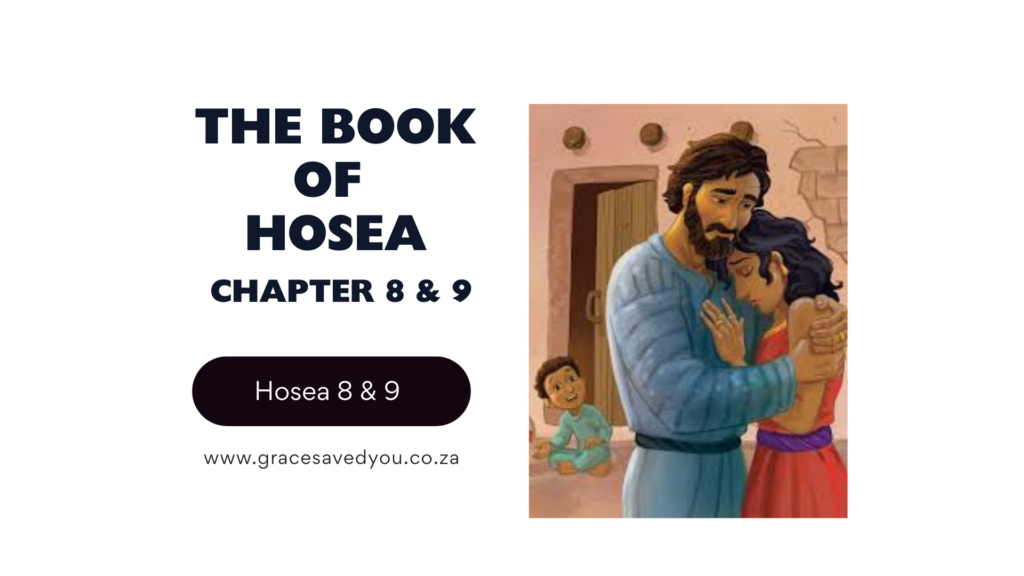
Scripture focus:
Hosea 8 & 9
Theme: False Security, Rejected Worship, and the Pain of Broken Covenant.
INTRODUCTION
Hosea chapters 8 and 9 intensify God’s covenant case against Israel. After exposing false repentance (chapters 6–7), God now reveals the consequences of persistent rebellion. These chapters focus on Israel’s false sense of security, their corrupted worship, and the coming loss that will result from rejecting God’s covenant.
The tone is urgent and sorrowful. God is not merely announcing punishment , He is grieving the outcome of a relationship Israel has repeatedly refused to restore.
HISTORICAL CONTEXT
Historically, Hosea 8 and 9 speak to the Northern Kingdom of Israel in the years immediately preceding the Assyrian exile (722 BC). Israel trusted in:
- Political alliances (especially Assyria)
- Military strength
- Religious ritual
Yet these false securities could not protect them from judgment. Kings were self appointed, worship was blended with idolatry, and obedience to God’s law was dismissed as irrelevant. Israel believed they were safe, God declares they are not.
HOSEA 8: REJECTED COVENANT, FALSE WORSHIP
1. Alarm of Judgment (v 1–3)
God commands a trumpet to be sounded — a warning of imminent danger. Israel cries out, “My God, we know You!” yet their lives deny that claim.
2. Self-Made Kings and Rejected Authority (v4)
Israel set up kings without consulting God. Political leadership became a human project rather than a divine calling.
This reveals a deeper issue: Israel no longer wanted God’s authority, only His protection.
3. Idolatry Disguised as Worship (v5–6)
The golden calf imagery returns. What Israel called worship, God calls rebellion.
4. Sowing and Reaping (8:7)
“They sow the wind and reap the whirlwind.”
This verse summarizes Israel’s condition:
- Small compromises lead to overwhelming consequences
- Sin multiplies beyond intention
5. Futile Alliances (v8–14)
Israel turns to foreign nations for help, forgetting the God who redeemed them. God declares their sacrifices meaningless because they have forgotten Him.
HOSEA 9 : THE PAIN OF LOST BLESSING
1. Joy Removed from Worship (v 1–6)
Israel celebrates religious festivals, but God removes joy from them. Worship without covenant faithfulness becomes hollow.
2. Rejected Prophets and Spiritual Blindness (v7–9)
Israel mocks God’s messengers, calling them fools. This rejection of truth deepens their blindness.
3. Loss of Fruitfulness (v 10–14)
God recalls Israel’s early devotion like first fruit but now declares fruitfulness will be removed.
This includes:
- Loss of blessing
- Loss of growth
- Loss of future security
4. God’s Grief Over Israel (v15–17)
IGod declares His love wounded by persistent rebellion. Exile becomes inevitable.
Yet even here, God’s words reveal sorrow, not delight, in judgment.
PROPHETIC SIGNIFICANCE
Prophetically, Hosea 8 and 9 reveal that:
- False worship provokes judgment
- Self-reliance replaces trust in God
- Religious identity cannot save a disobedient heart
These chapters also prepare the way for Hosea’s later promise of restoration by clarifying why judgment must come first.
SUMMARY OF CHAPTER 8 & 9
Hosea chapters 8 and 9 reveal the tragic consequences of Israel’s refusal to return to the Lord. Though religious and confident, Israel rejected God’s covenant, corrupted worship, and trusted human strength over divine faithfulness. Historically, these chapters point directly to the Assyrian exile. Prophetically, they warn every generation that religious appearance cannot replace obedience. Yet even in judgment, God’s grief reveals His longing for restoration a longing ultimately fulfilled in Christ, who restores true worship and covenant faithfulness